
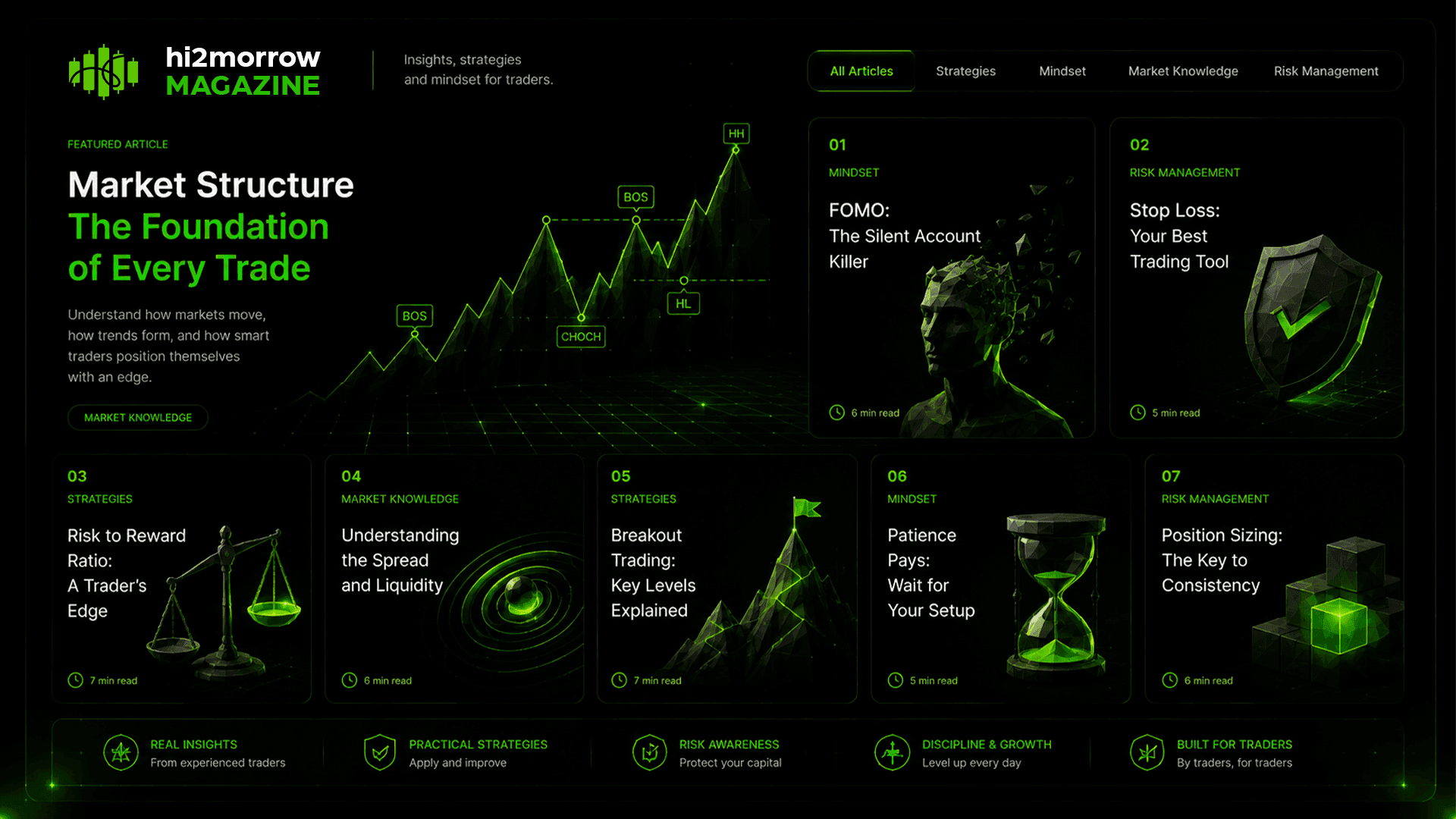
Guides and analysis from the trading desk.
Can You Trade or Exercise Expiring Options in Extended Hours?
What Happens When a Monday or Wednesday Stock Option Expires?
How Do You Read a Rule 605 Execution Quality Report?
Which Order Types Can You Use for Options in Extended Hours?
How Do TXSE Opening, Closing and Halt Auctions Work?
Where Does a Stock Trade After It Moves Its Listing to TXSE?
Which Stocks and ETFs Are Listed on the Texas Stock Exchange?
What Happens to GTC Orders After a Stock Split?
Did My Average Cost Change After a Reverse Stock Split?
Why Did My Stop-Limit Trigger but Not Execute?

Neoway Trading Ltd 95% of whose issued share capital is owned by Hitomorrow Assessment Data Classification and Analysis L.L.C (License No. 1275729), duly registered in Cyprus with reg. no. HE443630 and address in Agias Foteinis, 19, Office 201, 2235, Nicosia, Cyprus.
Neoway Trading Ltd acts as payment agent and authorised representative for the collection of qualification fees and related transactions, and, where a separate written agreement has been concluded, as counterparty to real capital arrangements. All services and underlying obligations remain under the responsibility and ownership of Hitomorrow Assessment Data Classification and Analysis L.L.C.
All information on this website is provided solely for educational and informational purposes in connection with trader qualification and does not constitute investment advice, trading advice, a recommendation to buy or sell any financial instrument, or an offer of any investment opportunity. Hi2morrow provides a trader qualification program conducted in a simulated environment using real-time market data from US exchanges. Upon successful completion of qualification, selected traders may be offered the opportunity to manage real firm capital under a separate contractor or employment agreement with one of the group entities and to execute trades via Direct Market Access through Hitomorrow Securities LTD (regulated by the Cyprus Securities and Exchange Commission under CIF License No. 237/14), which is wholly owned by Hitomorrow Assessment Data Classification and Analysis L.L.C. Such arrangements involve real market risk to firm capital and are governed exclusively by the terms of the applicable agreement. Past qualification performance is not indicative of future results. Trading financial markets involves substantial risk of loss. The information on this site is not directed to any person in any jurisdiction where such distribution or access would be unlawful. Hi2morrow and its group entities make no representation that the services are suitable for any particular individual. All users must complete full KYC/AML verification and enter into formal agreements before any capital allocation or live trading access. Platform, data, and execution fees are transparently charged and deducted from trading P&L as set out in the applicable agreement and fee schedule.